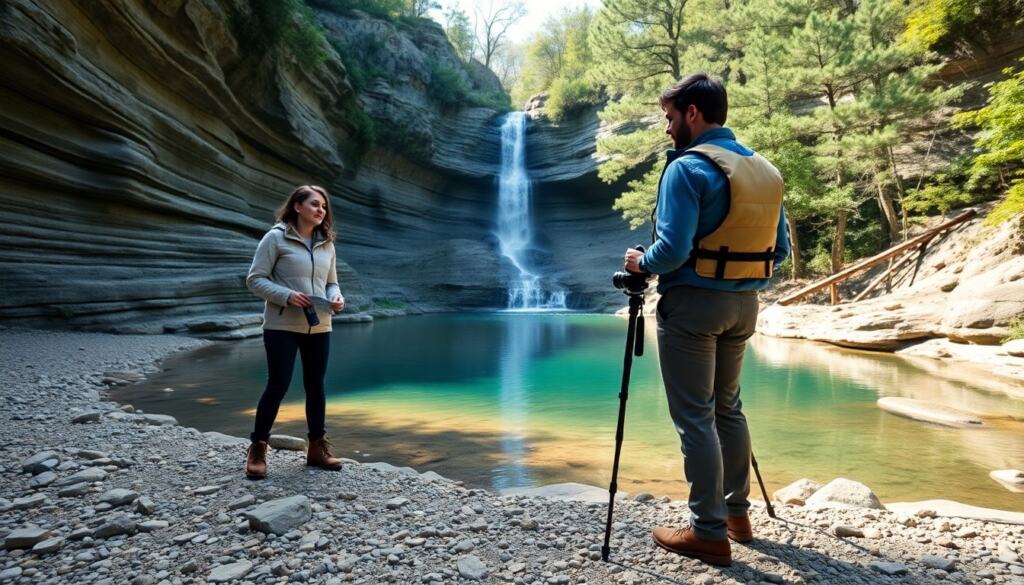
Arkansas offers many waterfalls in arkansas that reward hikers and photographers. The state holds falls in varied terrain, from narrow, rushing cascades to high single-drop plunges. Visitors find clear pools, rocky ledges, mossy amphitheaters, and forested cascades that change character with the seasons. This guide lists top sites, what to expect on trails, and safety tips so visitors can plan trips that match ability and interests. Readers learn where to hike, where to swim, where to photograph the best scenes, and how to respect fragile riparian habitat while exploring waterfalls in arkansas.
Key Takeaways
- Arkansas offers many waterfalls in Arkansas, with diverse landscapes in the Ozark and Ouachita regions providing unique cascades and plunges.
- Visitors to waterfalls in Arkansas can enjoy activities like swimming, hiking, and photography, but should check local guidelines as some areas restrict swimming to protect habitats.
- Top waterfall sites like Buffalo National River feature trails of varying difficulty, requiring sturdy shoes, water, and awareness of trail conditions for a safe hike.
- The best times to visit waterfalls in Arkansas are spring and late fall when water flow is stronger, while summer offers warmer swimming conditions and winter trails can be icy.
- Always plan ahead by checking park pages for closures, obtaining necessary permits, and preparing for limited cell service and safety needs during waterfall hikes in Arkansas.
Why Arkansas Is A Waterfall Lover’s Paradise
Arkansas contains many waterfalls in arkansas because the state combines highlands, mountains, and healthy rivers. Rain and spring runoff feed streams that drop over sandstone and limestone, carving ledges and plunge pools over thousands of years. The Ozark and Ouachita regions produce different fall styles: the Ozarks yield narrow, tumbling cascades and high bluffs, while the Ouachitas offer layered ledges and broad plunges. Local hardwood and pine forests shade the water and keep pools cool, creating microclimates that support ferns, mosses, and diverse bird life.
Management by state parks, the National Park Service, and the U.S. Forest Service protects many of these sites while providing maintained trails, interpretive signs, and seasonal guidance. That combination of protected access and wild character makes Arkansas a strong choice for people who want both easy roadside falls and long backcountry routes that visit remote waterfalls in arkansas. Photographers and nature observers will find varied light, seasonal color changes, and opportunities for long-exposure shots, while hikers will find both short, rewarding walks and multi-mile routes that connect several falls in a day.
Top Must-Visit Waterfalls And What To Expect
This section previews signature waterfalls in arkansas and what each site offers. Expect different experiences by region: some falls are roadside and family-friendly, others sit at the end of steep, remote canyons. Swimming is allowed at some places but prohibited at others to protect habitat or because of safety concerns. Trail lengths for waterfalls in arkansas range from very short interpretive walks to several miles with significant elevation change. Visitors should plan for parking constraints, seasonal road issues (gravel or washboard forest roads), and potential closures after storms.
Popular sites fill quickly on warm weekends; early morning or weekday visits reduce crowds and improve light for photography. Bring a map, a charged phone (but do not rely on service), and check local park pages for updates before you go. The entries below group falls by the mountain ranges where they sit and note typical access, hike character, and whether swimming is commonly allowed.
Ozark Highlands: Buffalo National River And Nearby Falls (What To See And Trail Notes)
The Buffalo National River area contains some of the best waterfalls in arkansas for river scenery and limestone ledges. Trails such as Lost Valley provide short, well-marked access to seasonal falls, small grottoes, and shallow pools that are popular for photography and casual wading. Hemmed-In-Hollow Falls requires a steeper descent and a longer hike but rewards visitors with one of the tallest single-drop falls in the state and a broad pool at the base when flows are high.
Trail surfaces in the Ozark Highlands vary from packed dirt to loose rock and often include boardwalks or stone steps in higher-traffic sections. Streams can swell quickly after heavy rain, making crossings hazardous—watch for posted warnings. Canoeists and floaters on the Buffalo River often combine paddling with short hikes to see side-canyon waterfalls and to access quiet swimming holes. Photographers should bring a polarizer to reduce glare, a small tripod for long exposures, and extra lens cloths—the humid, spray-filled air can fog glass quickly. Park rangers recommend sturdy footwear, layered clothing, and carrying water and basic navigation tools; backcountry camping often requires a permit in national river lands.
Other notable Ozark-area falls include small, seasonal cataracts and multi-drop cascades that only run after sustained rains—these are rewarding to seek out for hikers who enjoy less-traveled routes. Respect private property and posted signs when exploring secondary trails that lead to falls near rural roads.
Practical Tips: Best Time To Visit, Trail Difficulty, Permits, And Safety
Visitors should time trips for spring and late fall when waterfalls in arkansas run fuller and colors can be dramatic. Spring runoff produces the most reliable flows; late fall adds cooler air and reduced insect activity. Summer brings lower flows for some streams but warmer water that can make swimming more comfortable at permitted sites. Winter visits can yield icy ledges, fragile ice formations, and slushy footing—exercise extra caution and consider traction devices on footwear when temperatures drop.
Hikers must match route difficulty to ability. Many waterfall trails in arkansas include roots, rock steps, slick moss, and steep sections; even short trails can be strenuous on the return. Trailheads may lack cell service and facilities—tell someone your plan and expected return time. Check whether trailheads require parking fees, day passes, or permits for overnight camping; backcountry camping rules vary by managing agency. Leave no trace: pack out trash, avoid soap in pools, and do not build rock dams or alter channels.
Safety around water is paramount. Cold water and strong currents can exhaust even strong swimmers quickly; use life vests where currents exist and supervise children closely. Avoid climbing wet, algae-covered ledges and respect fenced or signed exclusion zones above falls—slips above a drop can be fatal. Carry a basic first-aid kit, layered clothing, a headlamp or flashlight for unplanned late returns, and sufficient water and snacks. Before travel, check official park pages or contact rangers for recent trail conditions, road access updates, and any seasonal advisories pertaining to waterfalls in arkansas.