The best things to do outdoors in the Ozarks start with one choice: river, lake or forest. Pick the Buffalo National River for floating and hiking, Table Rock Lake for fishing and boating, Mark Twain National Forest for birdwatching.
Season shapes each of those choices, so read the guide to the best time to visit the ozarks alongside this overview, then use the sections below to narrow down your first trip.
Choosing where to start
Decide on the type of day before you pick a place. Outdoor trips in this region go wrong less often because of the destination than because the activity did not suit the month, the group or the water. Four questions settle most of it: do you want to be on the water or beside it, how much walking will everyone enjoy, are you sleeping outside, and what time of year is it?
- Moving water and bluffs: Start with the Buffalo National River. One travel account describes tons of hiking trails, canoeable sections and scenic landscape formations along it, so a single trip can mix paddling and walking.
- A lake day built around fishing or boating: Table Rock Lake is the anchor for this choice, and it behaves very differently in winter than in the busy months.
- Woods and wildlife: Mark Twain National Forest suits visitors who would rather look for birds than paddle or fish.
- A night outside: Compare campgrounds, dispersed sites and the rules that apply to them in the guide to camping in the ozarks.
- Two wheels: If the group rides rather than walks, the overview of mountain biking in the ozarks covers the best trail systems.
If you can only plan one activity around conditions, make it the one that depends most on them. Floating depends on river level, so fix that first and fit hikes, lake time and meals around it. Hikes and lake days are more forgiving of a changed date.
Float trips on the Buffalo National River
The Buffalo National River is the best-supported starting point for a float trip in the Ozarks, because it combines canoeable sections with trails and bluff scenery in the same corridor, as the travel account above notes. “Best” still depends on who is in the boat. A first-time family needs a different stretch from paddlers who want a long day, and the river level on the day decides more than the brochure does.
Choosing a section
Pick your put-in and take-out before you pick a date. A float is a one-way trip, so you need a plan for getting back to your vehicle. The Buffalo River Map: The 2026 Trip-Ready Guide To Routes, Access Points, And Campsites – Ozarkssentinel is the place to compare routes and access points, and it also lists campsites if you want to turn a day on the water into an overnight trip. Shorter stretches suit beginners and mixed-ability groups. Longer stretches only make sense when the group paddles confidently and starts early.
Float outfitters and where to find them
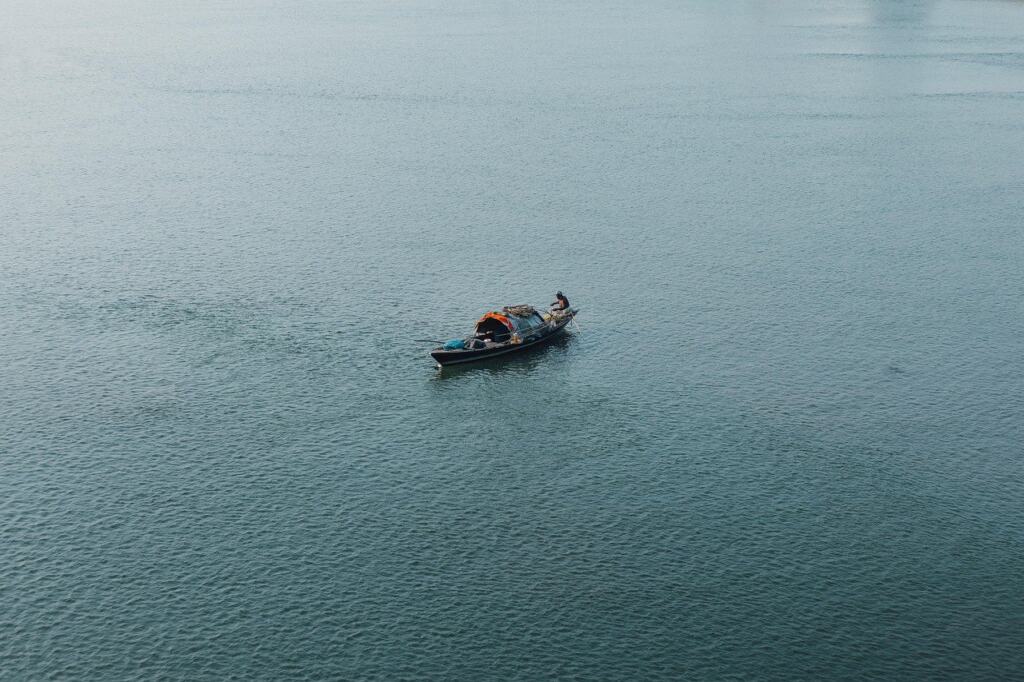
Rafting outfitters operate in Boxley Valley on the Buffalo River, and one visitor account describes stopping for a cold drink at one of the rafting outfitters there. Boxley Valley is therefore a reasonable first place to look if you do not own a canoe. Treat that as a starting point rather than a directory. Call your chosen outfitter before you drive, and ask which sections it serves, whether it provides a shuttle, and whether boats are running at the current water level.
If you own your own boat, the outfitter question shrinks to a shuttle question. Two vehicles, or a driver who will meet you at the take-out, is the simplest answer.
River level and timing
Time a Buffalo River float by water level, not by calendar. The same account of an early-season visit reports that it was too early in the season to float the river. That is an anecdote, not a schedule, and it gives no dates or gauge readings. The practical lesson is that an early trip can find the river unfloatable. Build in a flexible date, and watch the level in the days before you go. The guide to Buffalo River Levels: How To Read, Track, And Stay Safe In 2026 – Ozarkssentinel explains how to read the readings and what they mean for safety. If the level looks marginal, swap the float for a hike and keep the paddle for another weekend.
Lake water behaves differently. Reservoir levels move on their own schedule, and Table Rock Lake Water Levels: What To Know in 2026 — Monitoring, Forecasts & Practical Tips – Ozarkssentinel covers how to monitor them before a boating or camping trip.
Table Rock Lake and the other lakes
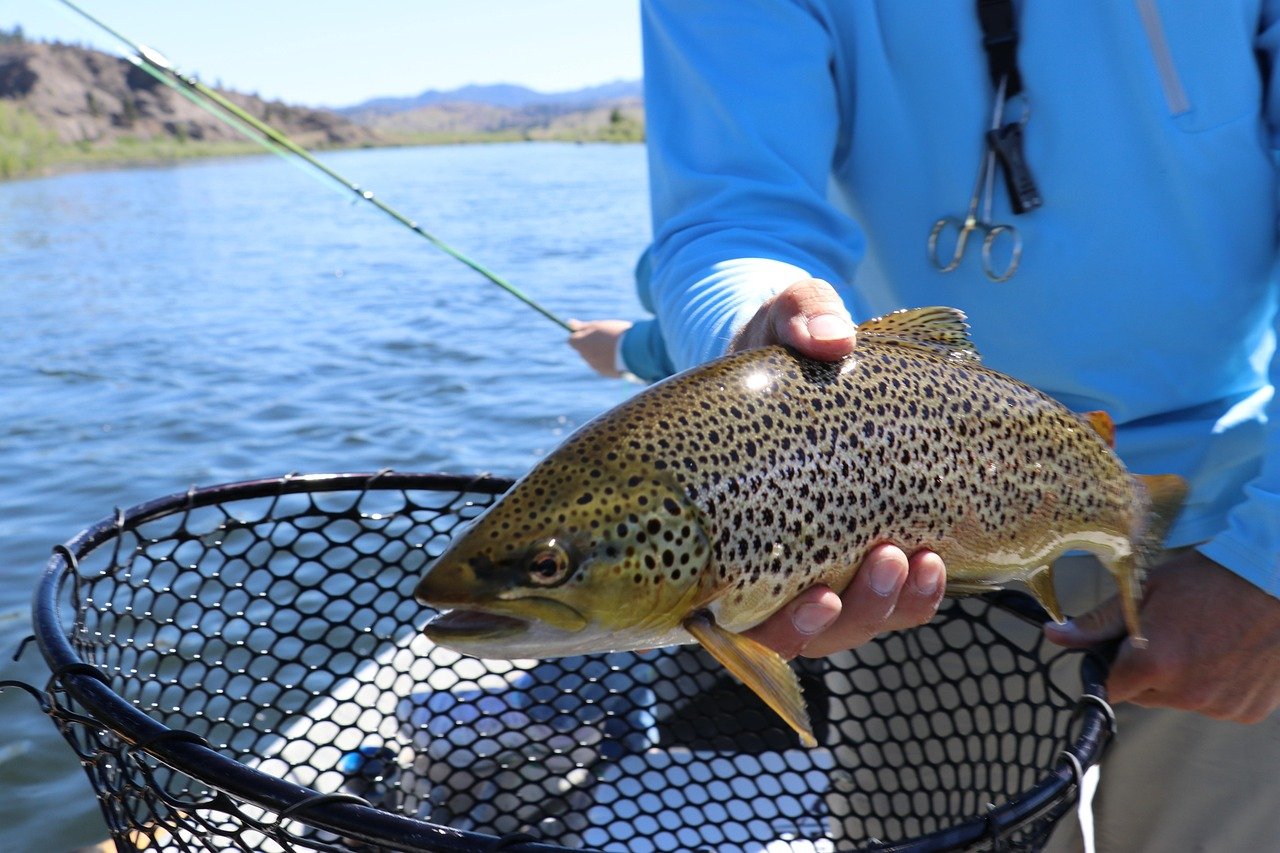
Table Rock Lake is the main choice for fishing and boating, and its off-peak season is more rewarding than many visitors expect. One Ozarks lodge’s guide to winter says that winter is prime season for catching trout, crappie and bass, and adds that with fewer boats on the water it is a peaceful time at the lake. For anyone who dislikes crowded water, that is a strong reason to look beyond the summer weekend.
Fishing
Choose Table Rock Lake if you want a mixed catch, because the same winter guide lists trout, crappie and bass together. Species choice then decides the method and the stretch of water. Table Rock Lake Fishing: The 2026 Guide To Catching Bass, Crappie, And More – Ozarkssentinel goes deeper on bass and crappie. If trout is the target, Lake Taneycomo is worth a look, since its cold, clear waters are described as ideal for trout fishing year-round. That makes it the more flexible option when your dates are fixed and fall outside the usual lake season.
Boating and getting on the water
You do not need your own boat to enjoy the lake. If you would rather rent, the Table Rock Lake Boat Rentals: The Complete Guide To Finding, Booking, And Enjoying Your Perfect Day On The Water (2026) – Ozarkssentinel walks through finding and booking a rental. Anyone planning to swim, dive or anchor over unfamiliar water should also read How Deep Is Table Rock Lake? Facts, Deep Spots, and Safety Tips (2026 Guide) – Ozarkssentinel, which covers depth facts and safety tips.
Wildlife and the quiet season
Winter also brings a wildlife draw. The same lodge guide names January and February as the best months to see bald eagles in action at Table Rock Lake. Anyone who plans a lake trip around that window should expect cold weather and pack for it. In return they get calmer water and a chance at wildlife that summer visitors do not see.
Other lakes and a town base
Table Rock is not the only lake worth a weekend. For a different body of water with its own mix of boating, food and outdoor options, compare it with Lake Of The Ozarks: Your 2026 Guide To The Best Water, Food, And Outdoor Adventures – Ozarkssentinel. If your group wants a town base with indoor options between outdoor days, the guide to 48 Hours In Rogers, AR: Best Things To Do For First-Time Visitors (2026 Guide) – Ozarkssentinel is a practical place to start.
Hiking trails: choose by effort, not by name
The best hiking trails in the Ozarks are the ones that match your group’s stamina, and the Buffalo National River area offers plenty of range. Hiking Project lists 89 miles (144 km) of trail for the area, and it counts 5 easy, 24 intermediate and 2 difficult trails. The difficulty counts are crowd-sourced. That mix tells you most routes sit in the middle, and that truly easy walks are scarce, so first-timers should pick carefully.
Viewpoint hikes
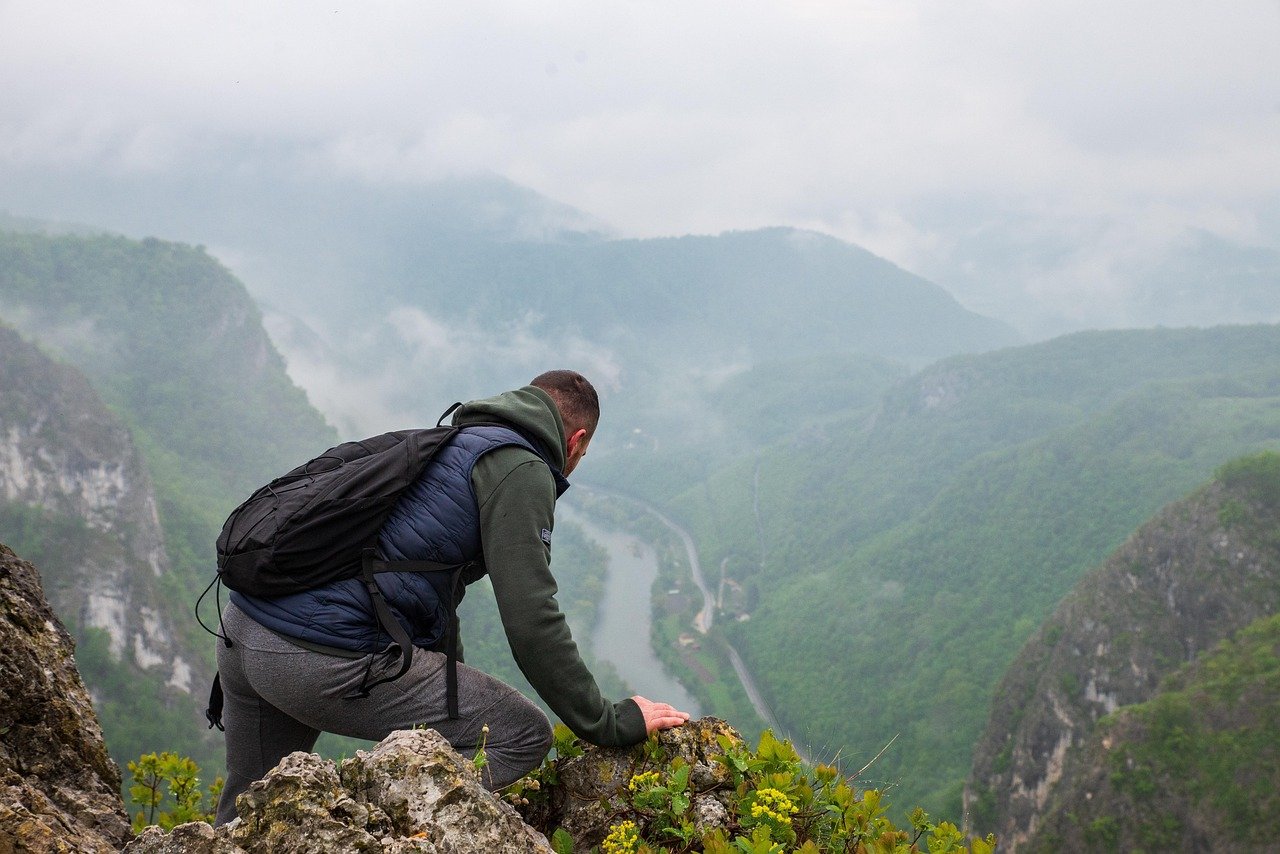
Whitaker Point, also called Hawksbill Crag, is a viewpoint walk in this set. One winter guide calls it a moderately challenging hike but worth every step and notes snow views in winter. Hiking Project lists the trail at 1.4 mi (2.3 km) and rates it intermediate, with Jasper as the nearby town. It suits walkers who are comfortable with a moderate effort and want a payoff at the end. If the group includes small children or anyone with limited mobility, pick something rated easier.
Harder and longer routes
Step up in effort only when the group is ready. Hiking Project rates Hemmed-in Hollow Trail as difficult at 2.6 miles (4.3 km). It also rates the Dillard Ferry to Spring Creek section of the Buffalo River Trail as difficult at 5.9 miles (9.6 km). Those two are for experienced walkers who like a challenge, and it is wise to allow a generous amount of daylight. The Buffalo River Trail: The Practical 2026 Guide To Hiking, Camping, And Scenic Paddling – Ozarkssentinel covers the long trail, its camping and its paddling in more depth.
Beyond the river corridor
Arkansas hiking is wider than a single river. For ridges, waterfalls and practical tips across the state, use Hiking in Arkansas: Hidden Waterfalls, Scenic Ridges, and Practical Tips for 2026 – Ozarkssentinel. If waterfalls are your main draw, Hidden Cascades: The Best Waterfalls In Arkansas For 2026 — Where To Hike, Swim, And Photograph – Ozarkssentinel covers where to hike, swim and photograph them.
Trail comparison
| Trail | Length | Rating | Nearby town | Planning use |
|---|---|---|---|---|
| Hideout Hollow Trail | 0.9 mi (1.5 km) | Intermediate | Jasper, AR | The shortest listing here; suits a quick outing |
| Lost Valley Trail | 1.0 mi (1.6 km) | Intermediate | Not listed | A short walk; check the length again before you set out |
| Whitaker Point Trail (Hawksbill Crag) | 1.4 mi (2.3 km) | Intermediate | Jasper, AR | A viewpoint hike for walkers comfortable with moderate effort |
| Hemmed-in Hollow Trail | 2.6 mi (4.3 km) | Difficult | Jasper, AR | A tougher day for experienced hikers |
| Buffalo River Trail: Dillard Ferry to Spring Creek | 5.9 mi (9.6 km) | Difficult | Marshall, AR | The longest listing here; plan a full day |
Lengths and ratings come from Hiking Project’s Buffalo National River directory, where ratings are crowd-sourced. Another account gives a different length for some trails, so confirm on the day with a current map.
Mark Twain National Forest and wildlife watching
Mark Twain National Forest is the natural choice for visitors who care more about birds than boats. One regional guide describes it as home to a myriad of bird species, including the iconic pileated woodpecker. The forest suits patient, quiet walking: bring binoculars, go slowly and listen as much as you look.
The Buffalo National River adds a different kind of wildlife. The same guide says that along the river you may spot elk, deer, eagles and even black bears. It gives no seasonal pattern, so treat any sighting as a chance and not a promise. Anyone who plans a trip mainly to see a particular animal is likely to be disappointed. It is more realistic to treat wildlife as a bonus on a hike or float you chose for other reasons. Give animals space, especially bears, and keep food secured wherever you camp.
The practical split is simple. If birds are the goal, choose the forest. If a mix of bluffs, water and the occasional large animal appeals, choose the river corridor. A morning in the woods and an afternoon on the river is a combination that works for most groups.
Camping and overnight stays
Camping turns a good day trip into a fuller trip, because it puts you close to the water and the trailheads at dawn. The choice is between a developed campground, a lakeside site, a dispersed site and a roof. For a broad comparison with the rules for each kind of site, start with the guide to camping in the ozarks.
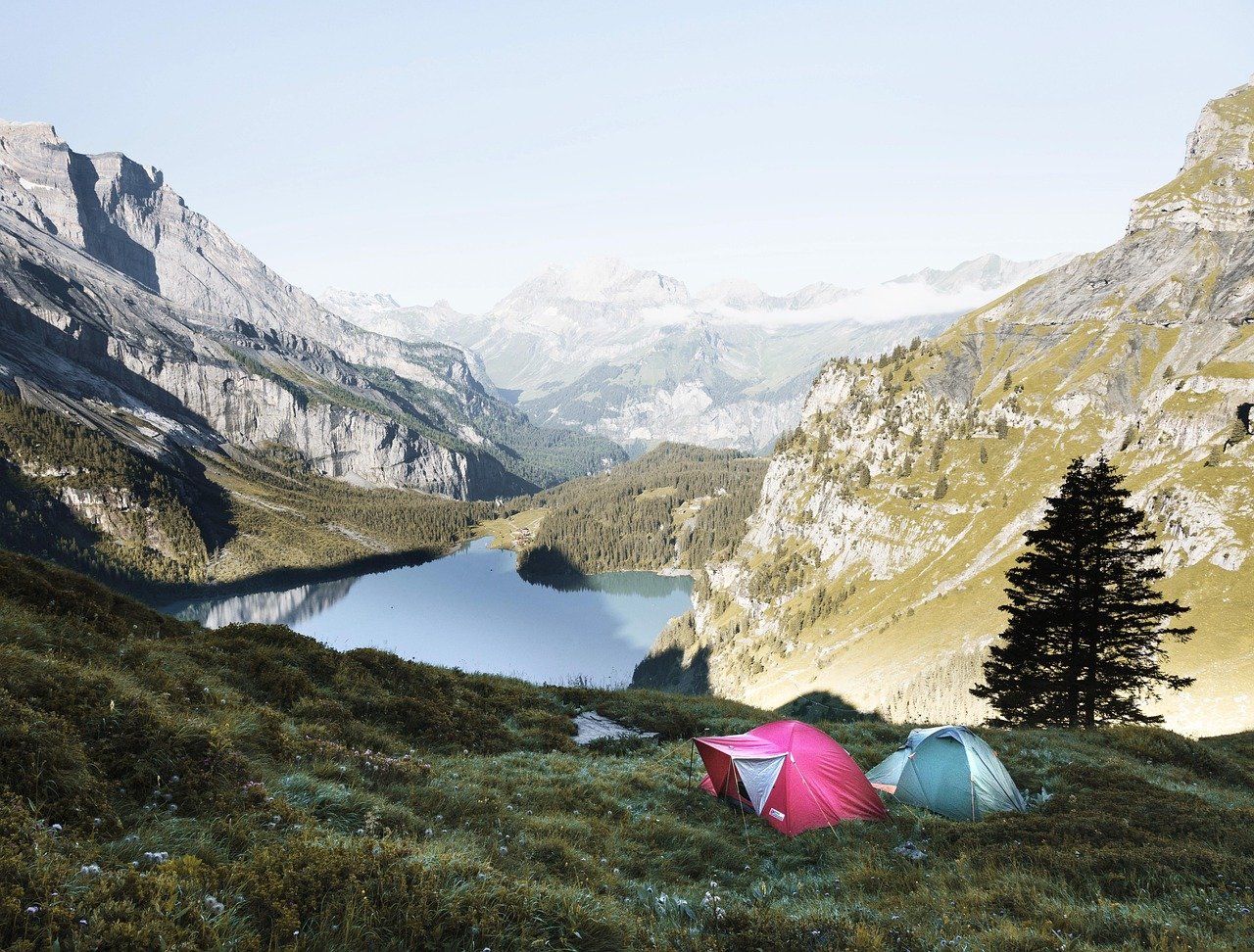
- Riverside camping: Choose this if you are floating or hiking the Buffalo. Buffalo National River Camping: The Essential 2026 Guide To Planning, Sites, And Safety – Ozarkssentinel covers planning, sites and safety.
- Lakeside camping: Choose this if you are fishing or boating. Table Rock Lake Camping: The Complete 2026 Guide To Lakeside Sites, Tips, And Activities – Ozarkssentinel covers lakeside sites, tips and activities.
- A bed instead of a tent: Choose a cabin if the group includes anyone who will not enjoy a night outdoors, or if the weather looks poor. Buffalo River Cabins: Your 2026 Guide To Rustic Stays, River Adventures, And Smart Booking Tips – Ozarkssentinel covers rustic stays and booking tips.
A useful rule is to match the stay to the hardest part of the plan. If an early float or a long hike is the main event, sleep as close to the start as you can. If the weather will be cold, a cabin makes the day much easier.
Biking and scenic drives
Not every good outdoor day involves boots or a paddle. Riders can compare trail systems in the guide to mountain biking in the ozarks, which suits visitors who want more speed and distance than walking offers. Drivers and photographers who prefer to see the landscape from a car or a pull-off should read Ozark Mountains Fall Foliage: The 2026 Guide To Peak Colors, Scenic Drives, And Practical Tips – Ozarkssentinel, which covers peak colors, scenic drives and practical tips. Both ideas help when a group has mixed energy levels, because not everyone needs to walk the same trail.
When to go: matching the activity to the season
The best time to visit the Ozarks depends on what you want to do, so choose the activity first and the month second. The supported seasonal signals in this overview are specific. Winter favours lake fishing for trout, crappie and bass, and January and February are named as the best months for eagle watching at Table Rock Lake. Fewer boats are out in winter, which suits anyone who wants a quiet lake. Whitaker Point is noted for its snow views, so a winter hike has its own reward for those prepared for the cold.
Floating is the activity most tied to timing. An early-season account found the river not yet ready, and no calendar date can replace a look at the current level. If a float is the point of your trip, keep the dates flexible and check the level before you commit to a shuttle or a booking. Where a float is not possible, a hike or a lake day is a good fallback, which is another reason to base yourself where several options are close.
Autumn has its own draw in the colour of the hills, covered in the foliage guide linked above. For a fuller season-by-season view, return to the guide to the best time to visit the ozarks before you book anything that cannot be moved.
Frequently asked questions
Is Lost Valley Trail an easy walk?
It is a short walk, but sources describe it differently. Hiking Project lists it as intermediate, while a 2010 account called it a two-mile, easy-moderate hike with the trailhead inside a campground. Another source says the trail leads to a waterfall and a cave. Check the current length and rating locally before bringing small children.
Can I visit a cave if the weather is poor?
Yes, caves make a useful wet-weather or cold-season option. One winter guide says Marvel Cave tours at Silver Dollar City are available even in the off-season, and that caves stay at a steady temperature year-round. It gives no degree value, so dress for conditions at the entrance.
What is Dogwood Canyon Nature Park like?
It is a 10,000-acre park south of Branson, Missouri. A winter guide describes it as ideal for leisurely hikes and guided tram tours, which makes it a gentler choice than the harder Buffalo River trails.